







Search Results for: Pacific Coffee

Pacific Coffee significantly shrinks its mainland China market presence, closing all stores in Dongguan and exiting the local market.
Pacific Coffee, once backed by China Resources and having opened nearly 500 stores, is now experiencing a significant contraction in the mainland market. Recently, some netizens reported that five stores in downtown Dongguan have been closed one after another, and with the withdrawal of the Link store, the brand has completely exited the Dongguan market. From being second in the industry in 2017 to now having only just over a hundred stores left, Pacific Coffee's decline has drawn sighs from many coffee lovers. This article will review its development history, analyze the reasons for its lagging behind, and present observations and reflections from netizens across the country on its current situation. [more…]

Pacific Coffee faces another wave of store closures: all directly operated stores in Zhuhai will be withdrawn, and the number of domestic outlets in operation continues to shrink.
Pacific Coffee has once again become the focus of industry attention. Recently, reports have emerged that multiple stores in Zhuhai will close in mid-October due to business adjustments, including the Huafa Waterfront Store, Haitian Station Store, and City Balcony Store, all distinctive locations along the Couple's Road. After this round of adjustments, Pacific Coffee's directly operated stores in Zhuhai will all be withdrawn, leaving only three franchise stores. From a peak of nearly 500 stores to fewer than 100 today, the situation of this former second-largest coffee chain brand in China's coffee market is lamentable. This article will review the specific circumstances of these closures, the brand's contraction trajectory in recent years, and the complex emotions of coffee enthusiasts regarding Pacific Coffee's current situation. [more…]
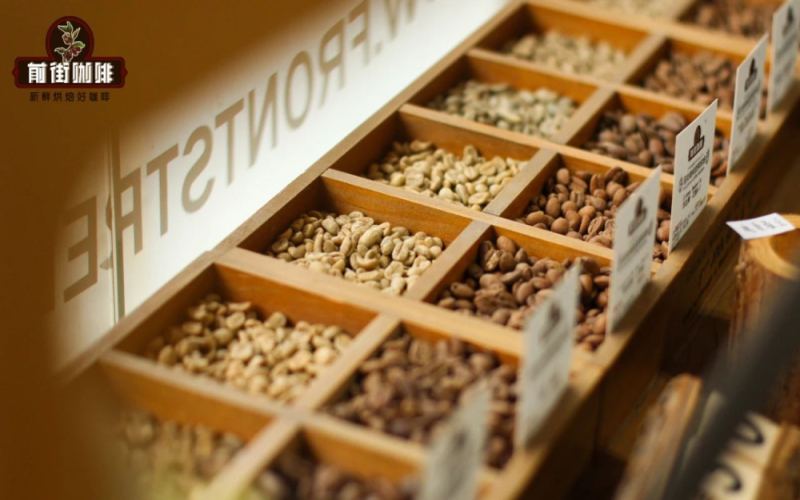
Flavor Analysis of Coffee Beans from the Asia-Pacific Region and the Origin of the Low-Caffeine Auspicious Dragon Blend
The allure of coffee is often rooted in the land where it grows. The Asia-Pacific region spans the Indonesian archipelago, East Timor, Papua New Guinea, India, Vietnam, and even China's Yunnan and Taiwan, among other places. The enormous differences in climate and soil across these areas have given rise to widely varying coffee flavors. This article will start from the overall characteristics of Asia-Pacific origins, sort through the representative bean varieties and taste profiles of different countries, and further introduce the origins and features of Starbucks Decaf Komodo Dragon Blend. Front Street Coffee (FrontStreet Coffee) hopes that through continuous understanding and comparison of origins, more coffee lovers can step into the vast world of coffee. [more…]
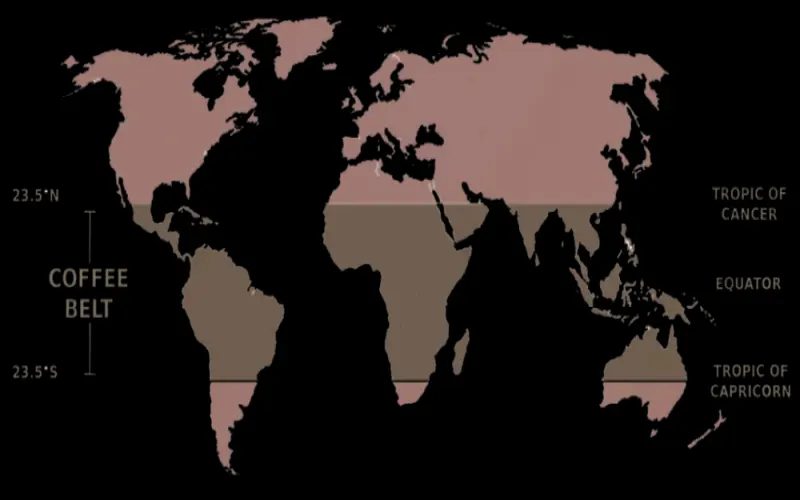
Guide to Varieties and Flavor Characteristics of the World's Three Major Coffee Regions: From Latin America to Africa to Asia-Pacific
The flavors of coffee are incredibly diverse, largely depending on the land where it is grown. The global coffee-growing belt is mainly divided into three major regions: Latin America, Africa, and Asia/Pacific. The climate, soil, and processing methods of each region give coffee beans distinctly different characteristics. Latin American coffees are primarily characterized by cocoa and nutty notes, with a balanced body and mild acidity; Africa, the birthplace of coffee, enchants with floral and citrus-like bright acidity; coffees from the Asia-Pacific region stand out for their heavy body, with herbal and spicy notes. This article will systematically review the representative varieties and flavor characteristics of each region, and include Front Street Coffee's recommended beans from each origin, helping coffee enthusiasts gain a more systematic understanding of the geographic code behind the flavors in their cups. [more…]
A Complete Analysis of Varieties and Flavors from the World's Three Major Coffee Regions: Classic Coffee Bean Characteristics from Latin America to Africa to Asia-Pacific
The flavors of coffee are endlessly varied, and to a large extent depend on the region where it is grown. The world's three major coffee-producing regions—Latin America, Africa, and Asia/Pacific—each cultivate coffee beans with distinctly different styles. Latin American coffee is dominated by cocoa and nutty notes, with a balanced body and mild acidity; African coffee showcases bright acidity with citrus and floral notes, refreshing and pleasant; Asia-Pacific coffee brings herbal and spicy notes, rich and full-bodied. This article will analyze the flavor characteristics of each region one by one, and recommend representative classic coffee beans from the Front Street Coffee brand, helping coffee enthusiasts more systematically understand the taste differences among different origins and find the cup that suits their own palate. [more…]

ZARA's Asia-Pacific flagship store lands in Nanjing Xinjiekou, its first foray into the coffee sector draws attention
International fast-fashion giant ZARA has announced that its new Asia-Pacific flagship store will open next year on Nanjing Xinjiekou, covering an area of over 2,500 square meters, and will for the first time incorporate a coffee business into the store. This move is not an isolated case. In recent years, luxury brands such as Tiffany, Gucci, and Louis Vuitton have all dipped their toes into coffee marketing, attempting to close the distance with consumers through immersive experiences. Is coffee a powerful tool for enhancing brand loyalty, or has it merely become a gimmick for photo opportunities? Consumers have mixed opinions on this. This article will outline ZARA's coffee layout, review cases of major brands venturing into coffee, and explore the business logic and market feedback behind this trend. [more…]
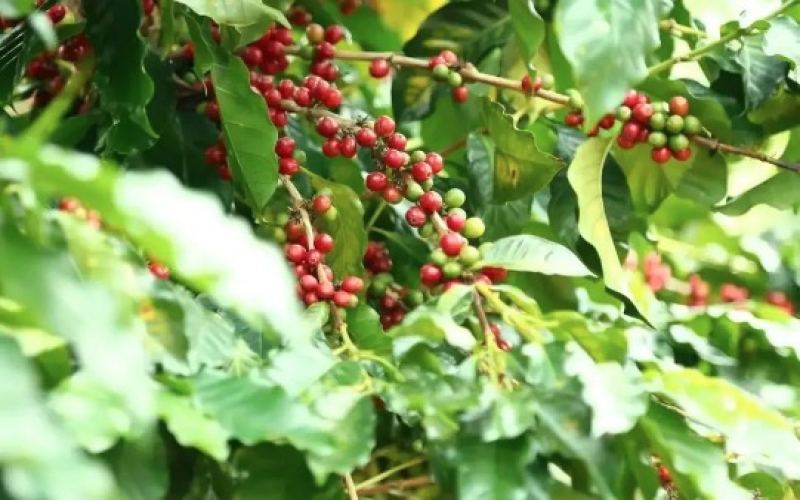
From the coffee country of the Pacific Ocean: Papua New Guinea.
There are two theories regarding the origin of the name "Papua": One theory states that in 1526, the Portuguese, Meneses, sailed from Malacca to the Moluccas Islands, but the sea breeze blew the ship to an unnamed place, and people called this land " [more…]
KOUANDJI Estate, New Caledonia, South Pacific: The Rare Legend of Bourbon Pointu Leroy Coffee Beans
In the Melanesian archipelago of the South Pacific, New Caledonia is like a vibrant oasis, hiding one of the world's rarest, most expensive, and most unusual coffees. KOUANDJI Estate is located at the foot of the mountains about 25 kilometers southeast of the capital, Nouméa, and is dedicated to reviving the region's nearly vanished coffee-growing industry. The estate cultivates "Leroy," also known as Bourbon Pointu, named for the pointed ends of its fruit. Its caffeine content is only half that of ordinary Arabica, and its yield is extremely low—even the French presidential palace must purchase it in limited quantities. Front Street Coffee has always paid attention to such niche, rare bean varieties. This article will take you deeper into the story behind its historical origins, variety characteristics, and unique flavor. [more…]
Flavor Differences Across African, Latin American, and Asian Coffee Regions and Front Street Coffee's Selected Bean List
When we step into the world of specialty coffee, the three major producing regions—Africa, Latin America, and Asia/Pacific—are like three flavor territories, each revealing a completely distinct personality. Beans from Latin America often carry a base of cocoa and nuts, with soft acidity, medium body, and a balanced mouthfeel; African regions are known for citrus and floral notes, with bright acidity, lower body, and captivating flavor layers; coffee from the Asia/Pacific region often presents herbal and spicy notes, with modest acidity but the most prominent body. This article reviews the representative origins of each producing region one by one, and includes recommended bean selections from Front Street Coffee to help you find your preferred choice among a dazzling coffee list. [more…]
A Complete Analysis of the Flavors of the World's Three Major Coffee Regions: Why Are African Beans' Floral and Fruity Notes So Enchanting?
The flavors of coffee are incredibly diverse, largely depending on the land where it is grown. The global coffee-growing belt can be broadly divided into three major regions: Latin America, Africa, and Asia/Pacific. Each region, due to differences in climate, altitude, and processing methods, nurtures a completely different flavor profile. Latin American coffees are known for their cocoa and nutty notes, with a balanced body and mild acidity; Africa, as the birthplace of coffee, often produces beans with citrus and floral aromas, bright acidity, and rich complexity; the Asia/Pacific region tends toward herbal and spicy notes, with the most prominent body. This article will go through the representative countries of each region and their flavor characteristics one by one, and include Front Street Coffee's corresponding recommended beans, helping coffee lovers build a clear regional flavor framework and find the cup that best suits their taste. [more…]
Where are the world's three major coffee-producing regions? A full analysis of the flavor differences between Latin American, African, and Asian coffee
The flavors of coffee vary enormously, and to a great extent depend on where it is grown. The global coffee-growing belt is mainly distributed across three major regions: Latin America, Africa, and Asia/Pacific. Each region, due to differences in climate, soil, and processing methods, produces distinctly different flavor characteristics. Latin American coffees are known for being balanced and mild, often with cocoa and nutty notes; African coffees are bright and refreshing, with prominent citrus and floral notes; Asia/Pacific coffees are rich and full-bodied, with distinct herbal and spicy aromas. This article systematically sorts out the flavor differences among the three major origins and recommends representative coffees from each region one by one, including Front Street Cerrado, Front Street Huila, Front Street Huakui, Front Street Little Tomato, Front Street Red Bourbon, Front Street Mandheling, and Front Street Yunnan Small Bean, helping coffee lovers quickly build an understanding of origin flavors. [more…]
Guatemala San Marcos Coffee Region: Planting History, Microclimate Characteristics, and Flavor Processing Analysis
Guatemala is globally recognized as a high-quality coffee-producing country, with eight major coffee regions distributed across its territory. Among them, San Marcos is the oldest, wettest, and warmest region. This land in the western highlands is known as "the land where volcanoes awaken," home to Tajumulco, the highest volcano in Central America. Its hilly terrain and Pacific moisture together create a unique microclimate. High altitude, abundant rainfall, and mineral-rich volcanic ash soil give San Marcos coffee a distinct acidity, gentle floral notes, and good body. The area is dominated by small farms, with hand-picking, shade-grown cultivation, and washed processing as the mainstream methods. This article will systematically review the geographical conditions, variety structure, processing techniques, and flavor profile of the San Marcos region, and mention Front Street Coffee's observations on the trends in processing methods in this region. [more…]
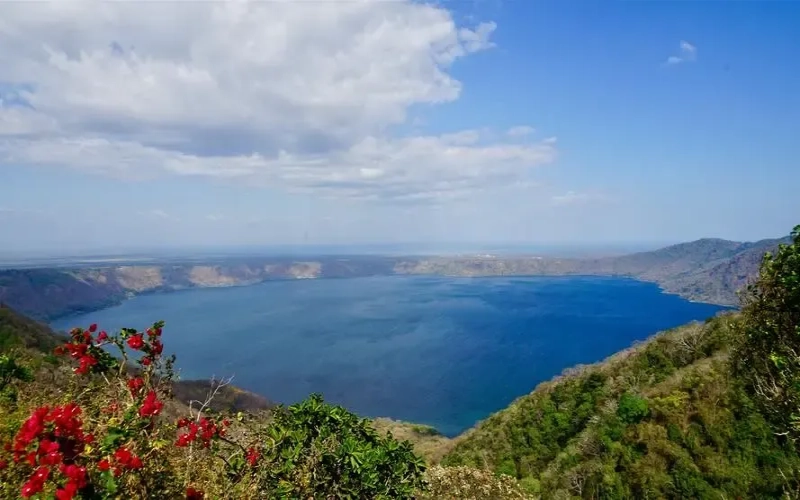
A Deep Dive into Don Cayito: A Renowned Estate in Costa Rica's Tarrazú Region
Although Costa Rica is not a large country, it is a force to be reckoned with on the coffee map of Central America. As the world's fourteenth-largest coffee producer, it has seven regions each with its own terroir, among which Tarrazu is known for its high altitude, ample rainfall, and the nourishment of warm, moist Pacific air currents, and is also a concentration of Cup of Excellence (COE) award-winning estates. At the 2024 COE, Don Cayito won first place with 93.62 points, once again making this family estate the center of attention. This article will guide you through Costa Rica's coffee geography and take a deep dive into the Santa Maria de Dota area of Tarrazu, sorting out Don Cayito's variety structure, family management lineage, and COE track record over the years, while also including Front Street Coffee's recommendation information for this estate, as a reference for coffee lovers when making purchases. [more…]
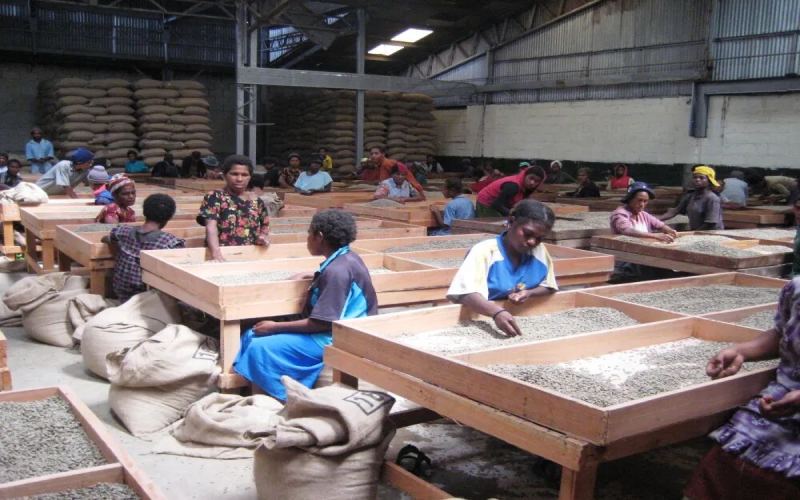
PNG Coffee Grades | How Are Papua New Guinea Coffee Beans Graded? What Are the Characteristics of Sigri Estate Bird of Paradise Washed Coffee?
You may find the coffee origin of Papua New Guinea a bit unfamiliar, but Front Street Coffee believes that Front Street Papua New Guinea coffee stands out as a unique presence among coffees. Papua New Guinea is located in the southwestern Pacific, along the Pacific Ring of Fire, and is geologically volcanic, with fertile volcanic soil, making it [more…]
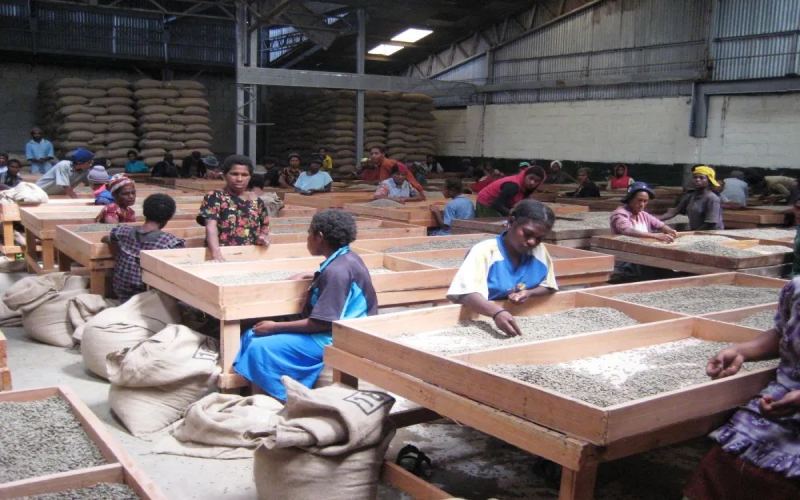
Oceanian Coffee Beans | How Are Papua New Guinea Coffee Beans Graded? What Flavor Characteristics Does the Sigri Estate Bird of Paradise Coffee Have?
You may not be very familiar with Papua New Guinea as a coffee origin, but Front Street Coffee believes that Front Street Papua New Guinea coffee stands out uniquely among the many coffees. Papua New Guinea is located in the southwestern Pacific, along the Pacific Ring of Fire, and is part of a volcanic geological zone with fertile volcanic soil, making it [more…]
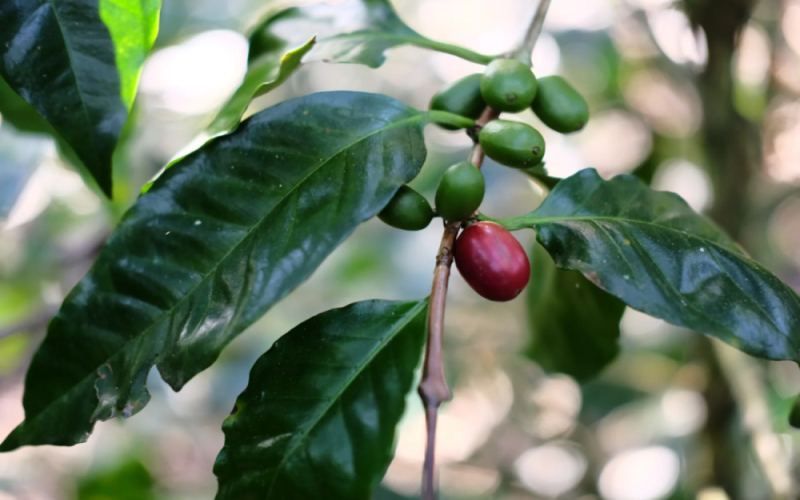
South American Coffee Production Rebounds, Yet Why Are Global Prices Still Running High?
Recent data from the International Coffee Organization (ICO) shows that the composite coffee price index rose slightly month-on-month in January 2024, while the Robusta price index hit a 30-year high. Although production prospects have improved in several South American producing countries, with Brazil and Colombia performing relatively well, tight supply in the Asia-Pacific region, disruptions to Red Sea shipping, and volcanic eruptions in Indonesia have combined to keep global coffee prices persistently high. This article reviews the latest developments in each producing region and changes in the supply-demand landscape. [more…]
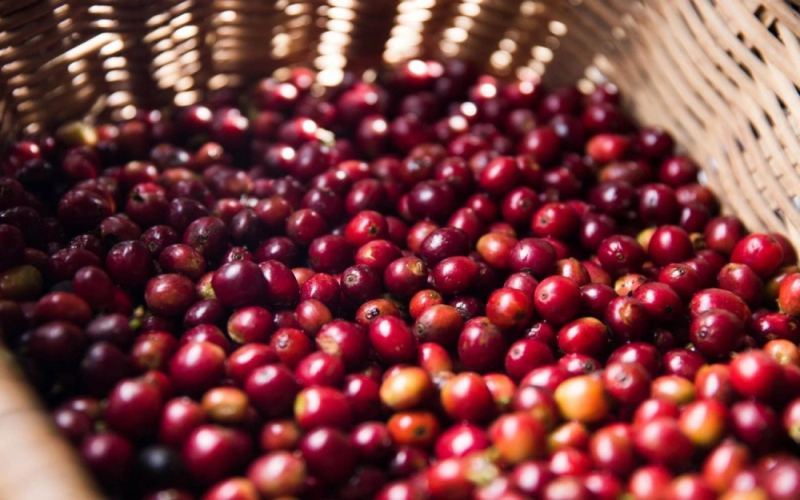
A Complete Flavor Analysis of the Asia-Pacific Coffee Producing Regions: Indonesian Mandheling, Yunnan Small-Bean, and Papua New Guinea Bird of Paradise
Among the world's three major coffee-growing belts, the Asia-Pacific region stands out with its rich, mellow mouthfeel. Compared with the bright fruity acidity of Africa and the chocolate-nutty notes of Latin America, Asian coffee is known for its heavy sweetness and is often used as a base bean in espresso blends. This article will examine the coffee characteristics of major producing countries one by one, including Indonesia, Yunnan in China, Vietnam, India, and Papua New Guinea, covering varieties, processing methods, and brewing suggestions. Among them, products such as Front Street Coffee Indonesia Sumatra Mandheling, Front Street Coffee Yunnan Baoshan small-bean, and Front Street Coffee Papua New Guinea Bird of Paradise are all typical examples for understanding Asian coffee styles. Whether you are a pour-over enthusiast or an espresso player, the flavor logic of these regions is worth exploring in depth. [more…]
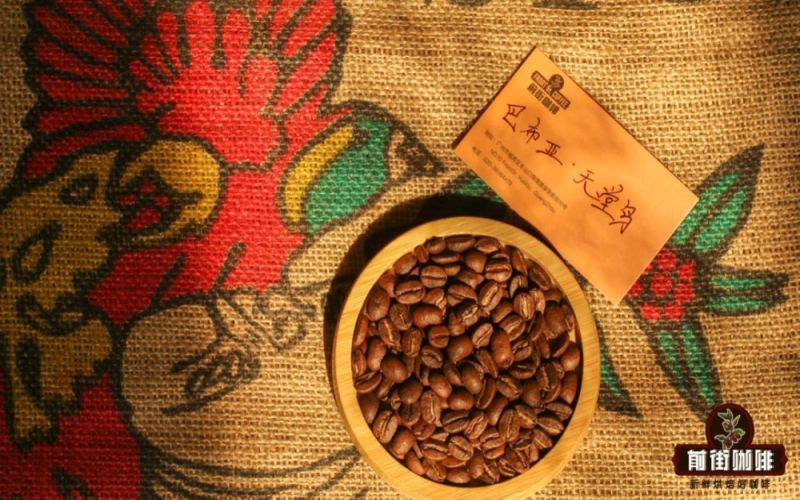
Papua New Guinea Bird of Paradise Coffee Beans: Little Blue Mountain Flavor, the Sigri Estate Story, and Brewing Methods
Although Papua New Guinea is not a widely known coffee origin, its volcanic soil and rainforest climate nurture coffees that are bright, sweet-tart, and full of floral and fruity aromas—a style all its own, completely distinct from neighboring Indonesia. This article will guide you through the history, growing regions, and grading system of Papua New Guinea coffee, with a special focus on Front Street Coffee's Sigri Estate Bird of Paradise coffee beans. We'll break down their flavor characteristics, the estate's story, and Front Street's recommended brewing parameters and techniques—perfect for coffee lovers eager to explore the diversity of the Asia-Pacific growing regions. [more…]
Analysis of Papua New Guinea Coffee Region Characteristics and HOAC Cooperative Bird of Paradise Bean Flavor
Papua New Guinea is located in the Pacific Ring of Fire, with fertile volcanic soil and high-altitude growing conditions, making it an emerging Arabica coffee origin. Local coffee is mainly produced by smallholders, with a solid flavor profile, low acidity, and a clean cup that suits Asian taste preferences well. Among them, the HOAC cooperative in the Eastern Highlands Province, by joining the Fair Trade organization, uses community development funds to build roads, improve healthcare and education, and upgrade wet-processing equipment, which not only improves coffee quality but also enhances market competitiveness. This article will walk you through the overall characteristics of Papua New Guinea coffee and take a deeper look at the flavor and mouthfeel of HOAC cooperative's Bird of Paradise coffee beans, along with recommendation information from Front Street Coffee. [more…]
Panama Hacienda La Esmeralda Diamond Mountain Coffee Flavor Analysis: Terroir, Variety Processing Methods, and Cupping Performance
Panama is located at the strategic isthmus of Central America. The completion of the Panama Canal not only facilitated shipping and trade, but also brought advanced agricultural technology from Europe and the United States to this land. Specialty coffee is mainly concentrated in the northern region near Costa Rica and bordering the Pacific Ocean, with Boquete, David, Remancimiento, Bugaba, and Volcán in Chiriquí Province being the core producing areas. Front Street Coffee's Panamanian coffee has always been known for its mild to bright acidity and lingering sweetness, with an impressive honeyed floral sweetness interwoven with citrus, jasmine, almond, and mango. In the third wave of coffee, Hacienda La Esmeralda is undoubtedly the most legendary famous Panamanian estate, having won numerous awards since 2004, and after starting independent auctions in 2008, it has continuously set record-breaking prices. In addition to its top auction lots, the estate has also launched many accessible series, and Diamond Mountain is one of them. This article will interpret Diamond Mountain in terms of its producing area conditions, variety processing, and flavor performance. [more…]